
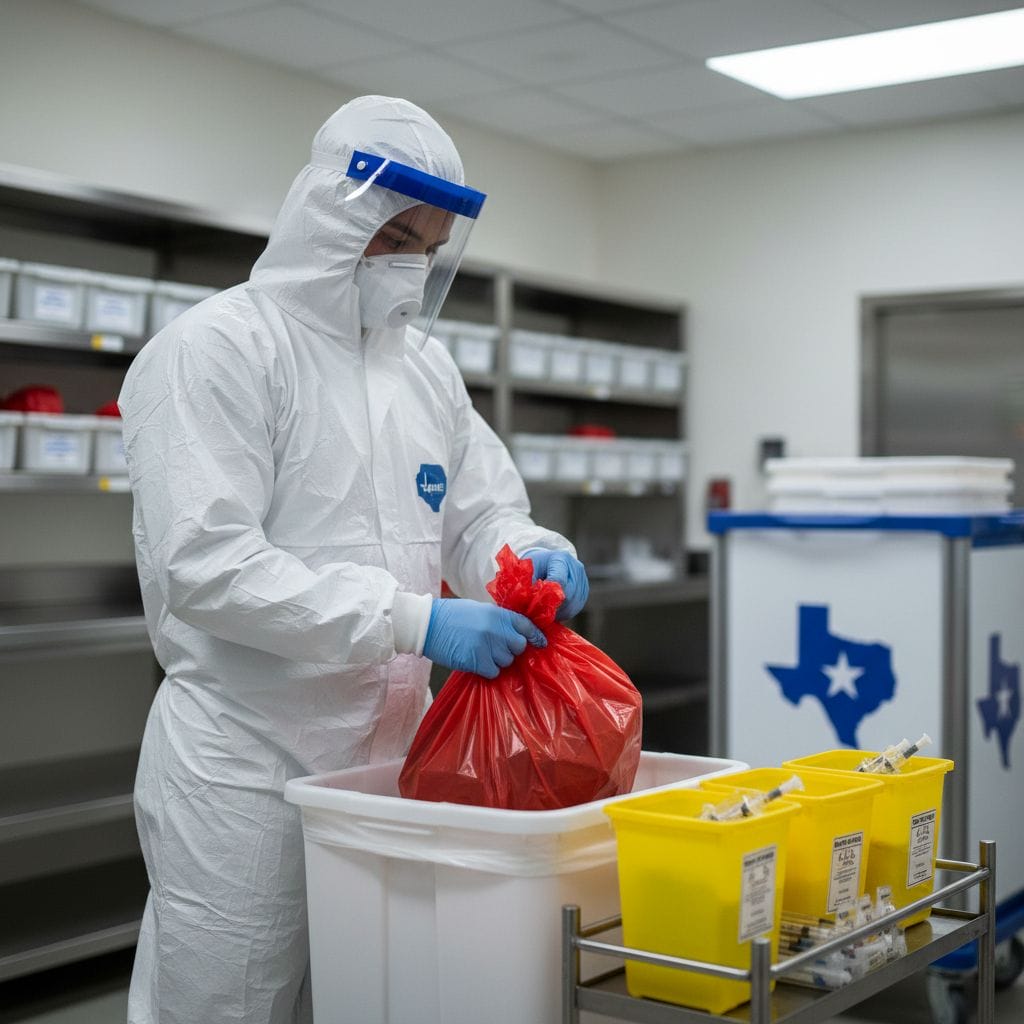
Understanding Regulated Medical Waste Management: Key 2025 Requirements
Table of Contents
- Understanding Regulated Medical Waste Management in Texas
- Fundamentals of Medical Waste Regulations
- Deep Dive into Medical Waste Requirements
- Practical Aspects of Medical Waste Handling
- Advanced Compliance and MedSharps Solutions
- Frequently Asked Questions on Medical Waste
- Achieving Compliance with Medical Waste Management
In Texas, healthcare facilities generate substantial volumes of hazardous materials daily, with hospitals alone producing over 10,000 pounds of biohazardous waste annually on average. Effective regulated medical waste management in Texas is essential to protect public health, prevent environmental contamination, and ensure compliance with stringent state laws. This overview defines key aspects and highlights the role of specialized providers in navigating these complexities.
Regulated medical waste, as defined by CDC guidelines, includes any materials contaminated with blood or bodily fluids that pose infection risks. Texas-specific regulations, enforced by the Texas Commission on Environmental Quality (TCEQ), mandate tracking, treatment, and disposal protocols that exceed federal EPA baselines for safety. Unlike general waste, which goes to standard landfills without oversight, regulated medical waste requires special handling due to biohazard risks and regulated medical waste requirements, including manifests for traceability to minimize liability and avoid fines up to $25,000 per violation.
Effective medical waste management services ensure proper segregation, containment, and transport of these categories to protect workers and the public. Key types demanding Texas biohazard waste handling include:
- Sharps: Needles and blades that can cause injuries, requiring puncture-resistant containers.
- Pathological waste: Tissues and organs from surgeries, treated via incineration or autoclaving to neutralize pathogens.
- Infectious waste: Cultures and soiled linens, subject to compliant medical disposal protocols for sterilization before final disposal.
MedSharps, a Texas-based leader, offers medical waste compliance services with an on-site autoclave facility that achieves 99.99% pathogen reduction, eliminating middlemen for direct, liability-reducing treatment. Their 24/7 manifest access ensures seamless audits, teasing deeper insights into regulatory frameworks in the next section.
Fundamentals of Medical Waste Regulations
Regulated medical waste management in Texas demands strict adherence to guidelines that protect public health and the environment. Healthcare facilities generate materials that could pose infectious risks, requiring careful handling from generation to disposal. Providers like MedSharps ensure compliance through reliable collection, treatment, and documentation services, minimizing liability for clinics and hospitals across the state.
Medical waste regulations establish a framework for safe disposal, distinguishing biohazardous items from everyday refuse. In Texas, these rules emphasize segregation to prevent contamination. For instance, sharps and pathological waste must be separated immediately, aligning with broader regulated medical waste requirements that outline frequency of pickups and storage limits.
The Centers for Disease Control and Prevention (CDC) defines regulated medical waste as materials potentially capable of transmitting infectious agents. According to CDC guidelines, this includes blood and body fluid-contaminated items, such as used needles, swabs, and bandages from patient care. The cdc regulated medical waste category excludes household waste and certain low-risk items, focusing on infection control in healthcare settings. Examples from Texas clinics highlight this: a dental office discards extracted teeth as pathological waste, while a veterinary clinic treats animal tissue similarly. This definition, drawn from CDC’s environmental control standards, forms the basis for national consistency while allowing state adaptations. Non-compliance can result in fines up to $25,000 per violation under federal oversight, underscoring the need for precise categorization.
The Medical Waste Tracking Act of 1988 introduced federal oversight to track hazardous waste interstate, responding to public concerns after incidents like the 1980s medical waste wash-ups on beaches. Enacted under the Resource Conservation and Recovery Act (RCRA), it mandates manifests for transport but leaves detailed implementation to states. In Texas, the Texas Commission on Environmental Quality (TCEQ) establishes requirements, incorporating the Act’s principles into local enforcement. TCEQ oversees permits for generators, transporters, and treatment facilities, ensuring alignment with federal standards while addressing state-specific needs like arid climate impacts on storage.
Texas infectious waste rules build on federal foundations, requiring generators to obtain TCEQ permits for on-site storage over certain volumes. Key regulations include:
- Generation and Segregation: Waste must be contained in leak-proof, labeled containers immediately upon creation, separating biohazards from general trash to meet biohazard compliance basics.
- Storage: Facilities like physician offices can store waste for up to 90 days in secure, ventilated areas, with temperature controls to prevent decomposition.
- Transport: Licensed haulers use manifests to document chain of custody, mandatory for all movements within the state.
These texas medical waste regulations mirror federal ones but add exclusions for specific lab cultures, enhancing flexibility for research institutions.

Side-by-side comparison of US federal and Texas medical waste rules
| Aspect | Federal (EPA/CDC) | Texas (TCEQ) |
|---|---|---|
| Definition of Regulated Waste | Blood/body fluid-contaminated items per CDC; excludes household waste. | Similar to federal but includes state-specific exclusions like certain lab cultures. |
| Tracking Requirements | Manifests for interstate transport; no uniform federal tracking. | Statewide manifests mandatory; aligns with Medical Waste Tracking Act influences. |
Texas aligns closely with federal regulations to maintain safety and uniformity, reducing confusion for multi-state providers. This integration supports efficient operations, as seen in MedSharps’ autoclave treatment that meets both levels. Staff training basics involve annual OSHA sessions on identification and handling, ensuring foundational compliance before delving into advanced procedures.
Deep Dive into Medical Waste Requirements
Regulated medical waste management in Texas demands a thorough understanding of federal and state regulations to ensure compliance and safety in healthcare settings. This section explores the intricate requirements set by the Environmental Protection Agency (EPA) and Centers for Disease Control and Prevention (CDC), alongside Texas-specific adaptations, focusing on training, waste types, and handling protocols. By examining these rules, facilities can mitigate risks associated with improper disposal, particularly for pathological waste, which requires specialized treatment methods like those offered by certified providers such as MedSharps.
EPA and CDC Rules for Requirements
The EPA establishes foundational guidelines for regulated medical waste requirements, defining it as any solid waste that poses a threat due to its infectious nature, such as cultures, human blood, or pathological specimens. These federal biohazard protocols emphasize containment standards, requiring leak-proof containers for sharps and red biohazard bags for infectious materials to prevent environmental contamination. The CDC complements these by providing detailed handling instructions, including sterilization techniques and exposure prevention, which influence OSHA training mandates for healthcare workers.
Training for regulated medical waste management occurs annually for handlers, focusing on OSHA-influenced basics like recognition of hazards and proper segregation. In Texas, these rules adapt through the Texas Commission on Environmental Quality (TCEQ), incorporating state-specific modules on local transport rules. For instance, epa compliance sharps disposal highlights the risks of non-compliance, noting that violations can lead to fines exceeding $50,000 per incident based on EPA enforcement data. Facilities must track waste generation with manifests to ensure traceability from generation to final disposal.
| Category | EPA/CDC Federal | Texas State Additions |
|---|---|---|
| Training Frequency | Annual for handlers; OSHA-influenced. | Biennial renewals via TCEQ; includes state-specific modules. |
| Waste Types Covered | Infectious, sharps, pathological; excludes household. | Expands to chemotherapy and hazmat; strict pathological transport. |
This comparison underscores how Texas builds on federal standards to address regional challenges, such as higher volumes of pathological waste in urban medical centers. MedSharps integrates these into their training programs, offering online OSHA-compliant courses to help facilities stay current and reduce liability.
To further illustrate, key EPA rules include proper labeling of containers with biohazard symbols, segregation of waste streams at the point of generation, secure storage to avoid tampering, and documented destruction verification. Texas impacts these by mandating biennial audits and enhanced tracking for cross-state transport, ensuring seamless compliance for providers like hospitals and clinics.
Pathological Waste Handling Standards
Pathological waste disposal, encompassing human tissues, organs, and fluids, falls under stringent regulated medical waste requirements due to its high infectious risk. In Texas contexts, proper methods prioritize incineration or autoclaving to render waste non-hazardous, with pathological waste disposal protocols emphasizing double-bagging in red or clear containers labeled “pathological waste” to facilitate identification during handling.
Specific protocols begin with immediate containment post-procedure, using rigid, puncture-resistant containers for any associated sharps. Texas pathological handling regulations, aligned with TCEQ, require generators to maintain records of waste volume and treatment outcomes for at least three years. Transportation involves licensed carriers using dedicated vehicles with spill kits and GPS tracking, accompanied by manifests detailing contents, origin, and destination to comply with federal DOT rules adapted for state use.
Common errors, such as improper labeling or mixing with general waste, can result in regulatory penalties; for example, TCEQ reports show that 20% of violations stem from transport lapses. MedSharps exemplifies compliance by employing certified crews for on-site collection, utilizing their autoclave facility to sterilize pathological waste at high temperatures, achieving a 99.99% kill rate for pathogens as per EPA validation standards.
Disposal confirms that medical waste services cover pathological types, integrating them into comprehensive streams without additional segregation fees for compliant generators. For transportation, vehicles must feature leak-proof compartments and signage, with drivers trained in emergency response. Seal bags red for visibility, and always verify carrier certifications to avoid fines.
| Method | Pros | Cons |
|---|---|---|
| Autoclave | Environmentally friendly; reduces volume by 80%; cost-effective for high volumes. | Requires validation testing; not suitable for all tissues. |
| Incineration | Complete destruction; handles large quantities; meets strictest standards. | Higher emissions; more expensive energy use; regulated ash disposal. |
MedSharps prefers autoclaving for its efficiency and lower environmental impact, aligning with Texas sustainability goals while ensuring full regulatory adherence. This approach minimizes exposure risks during handling and transport, providing peace of mind for Texas healthcare providers applying these standards in daily operations.
Practical Aspects of Medical Waste Handling
Effective regulated medical waste management in Texas requires hands-on strategies that ensure safety and regulatory adherence in healthcare facilities. From clinics in Dallas to hospitals in Houston, implementing these practices minimizes risks and supports efficient operations. This section breaks down daily routines and transport logistics, highlighting tools from providers like MedSharps to streamline compliance.
Daily Segregation and Storage Protocols
In Texas healthcare settings, daily segregation forms the foundation of safe waste handling. Start by classifying waste according to CDC and EPA guidelines: sharps go into puncture-resistant containers, while infectious materials require red biohazard bags. For pathological waste disposal, use leak-proof, rigid containers to prevent spills, especially in surgical centers dealing with tissues or organs. Chemotherapy waste demands yellow containers labeled for hazardous pharmaceuticals, and hazmat items like chemicals need specialized secondary containment. Mixing categories, a common violation, can lead to fines up to $25,000 per TCEQ infraction, so train staff rigorously.
| Waste Type | Container Type | Storage Time |
|---|---|---|
| Sharps | Puncture-proof plastic or metal | 30 days |
| Pathological | Leak-proof rigid bins | 30 days |
| Infectious | Red biohazard autoclavable bags | 30 days |
| Chemotherapy | Yellow chemo-specific containers | 90 days |
| Hazmat/Chemical | Secondary containment drums | 180 days |
This setup ensures quick identification and reduces errors. Storage occurs in secure, ventilated areas away from patient zones, with locked access to prevent unauthorized handling. Limit accumulation to 30 days for most categories to avoid bacterial growth, using secondary enclosures for added protection. Texas clinics, for instance, designate dedicated rooms with negative pressure ventilation, as recommended in the biohazardous waste removal guide. Implement daily checklists: 1) Inspect containers for fullness; 2) Verify labels with generator details; 3) Log volumes in digital trackers. MedSharps offers OSHA-compliant online training portals to reinforce these daily biohazard protocols, helping facilities like urgent care centers maintain certification effortlessly. Regular audits catch issues early, fostering a culture of compliance.
Transportation and Collection Services
Once segregated, moving medical waste demands strict Texas transport compliance to safeguard public health and meet DOT standards. Vehicles must feature biohazard placards, spill kits, and GPS tracking, with drivers holding hazmat endorsements. Manifests document each load, detailing waste type, quantity, and destination, retained for three years per EPA rules. In urban areas like Austin, avoid peak hours to minimize exposure risks during transit to treatment facilities.
MedSharps excels in secure collection, providing licensed crews for scheduled or on-demand pickups across Texas. Their 24/7 service responds within hours, ideal for high-volume sites like dialysis centers generating sharps daily. As outlined in service overviews, expect discreet route-based collections that integrate with facility workflows, eliminating the need for in-house logistics. For smaller generators, the mail-back program simplifies sharps and pharmaceutical returns using prepaid USPS-approved kits, complete with tracking.
When evaluating options, consider on-site versus off-site methods for optimal efficiency. The following table compares practical approaches, drawn from MedSharps data and TCEQ guidelines:
| Aspect | On-Site (e.g., Autoclave) | Off-Site (e.g., MedSharps Service) |
|---|---|---|
| Cost Efficiency | High initial setup; lower long-term for large volumes | Predictable pricing; no capital investment |
| Compliance Ease | Requires in-house certification; risk of errors | Certified providers handle manifests; reduces liability |
On-site autoclaving suits large hospitals with steady volumes, cutting transport costs over time but demanding $50,000+ in equipment and ongoing validation. Off-site services like medical waste services texas offer scalability without upfront burdens, with MedSharps’ autoclave facility ensuring EPA-approved sterilization. Post-collection, access manifests via secure online portals for audits, tracking treatment from pickup to final disposal. This approach not only cuts liability but also supports advanced strategies, such as integrating e-waste shredding for comprehensive compliance.
Advanced Compliance and MedSharps Solutions
In the realm of regulated medical waste management in Texas, advanced strategies elevate compliance beyond basic protocols. Healthcare facilities face heightened demands for handling complex waste streams, including pathological waste disposal and chemotherapy materials. MedSharps innovates with features like reusable sharps containers rated for 100 uses and flexible no-contract pricing, ensuring strategic liability reduction and audit readiness across Texas facilities.
Advanced training retention is crucial for sustained compliance. MedSharps provides access to an online OSHA portal, delivering comprehensive modules on regulated medical waste requirements that staff can complete at their pace. This approach fosters long-term knowledge, as highlighted in the clinical waste management guide, which shares case studies of facilities improving handling accuracy by 30% through regular refreshers. Manifest tracking further supports audits, offering 24/7 online access to digital records that detail treatment processes and chain-of-custody for every pickup.
For hospital-specific solutions, MedSharps tailors services to high-volume environments, addressing nuances in waste classification for advanced types like hazmat and pharmaceutical residues. Their protocols streamline hospital waste management texas operations, quoting efficiency gains of up to 25% in processing times compared to fragmented systems. This includes specialized handling for chemotherapy waste, ensuring safe segregation and treatment that meets stringent Texas regulations while minimizing exposure risks.
MedSharps’ innovations set a benchmark in advanced biohazard solutions. Autoclave treatment at their Texas facility sterilizes waste effectively, reducing volume by 85% and eliminating incineration needs. For smaller generators, the mail-back program simplifies compliance with pre-paid kits for sharps and documents. HIPAA-integrated destruction combines HIPAA-compliant shredding with medical waste services, protecting patient data during disposal. These features underscore a direct-service model that bypasses intermediaries, cutting costs and enhancing control.
The provider landscape in Texas medical waste management reveals stark contrasts between direct operators like MedSharps and traditional models reliant on multiple vendors.
| Feature | MedSharps | Traditional Providers |
|---|---|---|
| Middleman Elimination | Direct treatment/disposal; reduces liability. | Often involves intermediaries; higher risk. |
| Documentation Access | 24/7 online manifests and analysis. | Limited or delayed reporting. |
| Reusable Containers | 100-use rated; sanitized on-site. | Mostly single-use; higher replacement costs. |
| Autoclave Treatment | In-house facility; 85% volume reduction. | Outsourced; variable efficiency and delays. |
| Insurance Coverage | $2M exceeding industry standards. | Standard $1M; potential gaps in coverage. |
- Liability Reduction: No middlemen means clearer accountability and faster response times.
- Customized Texas Coverage: Route-based pickups ensure discreet, reliable service statewide.
- Elevated Standards: $2M insurance and OSHA portal training exceed requirements, supporting long-term facility goals.
Frequently Asked Questions on Medical Waste
Explore regulated medical waste management in Texas through these key insights.
What is the Texas medical waste definition? Regulated medical waste includes infectious materials like sharps, cultures, and pathological waste, as defined by TCEQ guidelines (texas medical waste definition). MedSharps ensures compliant handling for healthcare providers.
How do EPA rules overlap with Texas regulated medical waste requirements? EPA sets federal standards for hazardous waste, while Texas enforces state-specific rules for infectious materials. Facilities must meet both, including proper segregation and treatment, to avoid penalties.
Who handles pathological waste disposal near me? Local experts like MedSharps provide specialized biohazard waste disposal texas services, collecting and treating human tissues safely on-site or via autoclave, reducing risks for clinics and hospitals.
What training is required for regulated medical waste requirements? Staff need OSHA-compliant training on handling, storage, and emergency response. MedSharps offers online portals for certified education, ensuring facilities meet federal and state standards.
How does MedSharps support medical waste solutions? With autoclave treatment and scheduled pickups, MedSharps minimizes liability for pathological waste disposal and other biohazards, serving Texas healthcare without long-term contracts.
Achieving Compliance with Medical Waste Management
Regulated medical waste management in Texas demands adherence to strict definitions, handling protocols, and disposal rules to protect public health and the environment. Key regulated medical waste requirements include proper segregation of sharps, pathological waste disposal, and biohazardous materials, with Texas regulations mandating licensed transporters and treatment methods like autoclaving to minimize risks.
MedSharps simplifies these practical steps through scheduled pickups, reusable sharps containers, and mail-back programs, reducing exposure and liability via direct, on-site treatment. Their advanced features ensure seamless compliance without long-term contracts, emphasizing efficiency and expertise.
For expert handling in Texas, contact MedSharps. To ensure your facility stays compliant, request a free consultation with MedSharps today, aligning with medical waste disposal texas standards and leveraging convenient sharps disposal service near me options.
Resources
- Achieve EPA Compliance with Safe Sharps Disposal Services
- Ensure Medical Waste Compliance with Expert Management Services
- Find Reliable Sharps Disposal Services Near You in Houston
- Access Professional Medical Waste Services Across Texas
- Streamline Hospital Waste Management Services in Texas
- Learn Biohazardous Waste Removal Best Practices for Facilities
- Secure Medical Waste Management Services with Full Compliance
- Dispose Pathological Waste Safely and Comply with Regulations
- Follow Guide to Effective Clinical Waste Management in Healthcare
- Obtain Efficient Biohazard Waste Disposal Services in Texas
- Understand Texas Medical Waste Regulations and Compliance Requirements
- Follow CDC Guidelines for Managing Regulated Medical Waste
- Navigate Medical Waste Disposal Rules in Texas Landfills
- Define and Manage Medical Waste per Texas Regulations